
THE WINNERS DIDN’T WRITE THE NEW TESTAMENT. THEY PICKED IT. (vIDEO)
Welcome to the home of Episode 210 of the Misquoting Jesus Podcast with Bart Ehrman. Below, you can watch the entire episode, read its description, and see links to related resources.
links mentioned in this episode:
episode description
Disclaimer: We use an AI generation tool for episode summaries.
Bart Ehrman explores how theological conflicts among early Christian groups shaped the New Testament we have today. He explains the distinction between proto-orthodoxy and heresy, emphasizing that these are historical categories describing the movements that eventually won or lost theological debates, rather than judgments about which beliefs were correct.
Drawing on Walter Bauer's influential research, Ehrman challenges the traditional picture of early Christianity as a unified movement occasionally disrupted by fringe heretics. In many regions, alternative Christian movements—including Gnostic groups and followers of Marcion—may actually have represented the majority.

Misquoting Jesus
Never Miss an Episode of Misquoting Jesus
Get key insights, episode summaries, and exclusive content you won't hear on the podcast.
By signing up, you agree to receive marketing emails. Unsubscribe anytime.

PLUS: Get our free course:
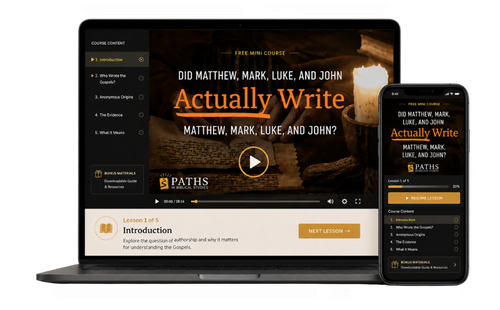
Did Matthew, Mark, Luke, and John Actually Write the Gospels?
PLUS: Get our free course:
Did Matthew, Mark, Luke, and John Actually Write the Gospels?
The discussion then turns to how these competing groups used different gospels and other writings, often claiming apostolic authority for their texts. Ehrman explains that the New Testament canon emerged gradually, without a single council deciding which books belonged in it. The first surviving list of precisely the 27 books in today's New Testament appears in Athanasius's letter of 367 CE.
Perhaps most strikingly, theological disagreements also influenced the copying of scripture. Ehrman describes how scribes sometimes altered passages to defend particular understandings of Jesus. His example is Luke's account of Jesus sweating blood in Gethsemane, a passage he argues was probably added to emphasize Jesus' humanity.
ready to dive deeper?
Related Courses offered by Bart Ehrman and/or Paths in Biblical Studies:
Related Articles (Free Resources):
ways to watch or listen to the misquoting jesus podcast:
And many more! Just search for the show title in your favorite podcast app!